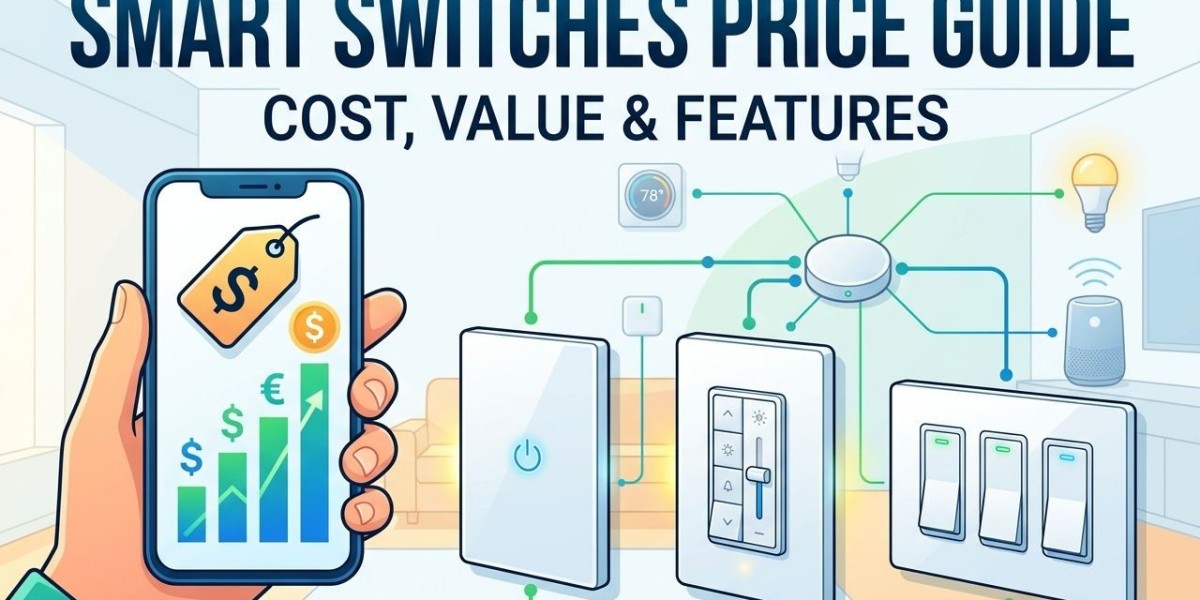

In today’s connected world, home automation has become more than just a trend; it’s a lifestyle. One of the most essential components of a smart home is the smart switch. These devices allow you to control lights, appliances, and other electronics remotely using your smartphone or voice assistant. However, many homeowners and buyers hesitate to adopt this technology because they are unsure about the smart switches price and whether the investment is justified. In this article, we will explore smart switches, their features, price ranges, factors influencing cost, and whether they are worth buying.
Understanding Smart Switches
A smart switch is essentially an upgraded version of a traditional wall switch, integrated with Wi-Fi, Zigbee, or Z-Wave technology. Unlike conventional switches, smart switches enable:
Remote control of devices via smartphone apps
Scheduling and automation of lights or appliances
Voice control through platforms like Amazon Alexa, Google Assistant, or Apple HomeKit
Energy monitoring and reporting in some advanced models
Smart switches are not only convenient but also contribute to energy savings, making them a practical addition to any modern home.
Factors Affecting Smart Switches Price
The price of smart switches can vary widely, depending on several factors. Understanding these factors helps buyers choose the right device for their needs without overspending.
1. Connectivity Type
The type of connectivity largely affects the cost:
Wi-Fi Smart Switches: These are generally more affordable and easy to install. They connect directly to your home Wi-Fi network and are priced between $15 to $50 per switch.
Zigbee/Z-Wave Switches: These require a smart hub and offer more stable performance in larger homes. Prices usually range from $40 to $100.
2. Features and Functionalities
Advanced features often raise the price. Some features that influence cost include:
Dimming Control: Switches with dimming options are costlier than standard on/off switches.
Scene Control: Ability to integrate multiple devices and create automation scenes can increase the price.
Energy Monitoring: Switches that track electricity usage are usually in the higher price bracket.
Touchscreen Panels or Aesthetic Designs: Designer smart switches or touch-sensitive panels can cost upwards of $100.
3. Brand Reputation
Premium brands with better reliability, longer warranties, and superior software often charge more. For example:
TP-Link and Wemo offer reliable, moderately priced switches.
Lutron and Leviton provide high-end options with advanced automation and integration capabilities.
4. Installation Requirements
Some smart switches are easy DIY projects, while others require professional installation, adding to the total cost. If your home requires rewiring or additional hubs, the price can increase significantly.
Average Smart Switches Price Range
To provide a clearer idea, here’s a general overview of smart switches price ranges based on type and feature:
| Switch Type | Price Range (USD) | Description |
|---|---|---|
| Basic Wi-Fi Switch | $15 - $35 | On/off functionality, app control |
| Wi-Fi Dimmer Switch | $30 - $50 | On/off + dimming, compatible with Alexa/Google Assistant |
| Zigbee/Z-Wave Switch | $40 - $100 | Requires hub, reliable performance, supports automation |
| Multi-Functional Smart Switch | $60 - $120 | Scene control, energy monitoring, premium design |
| Touchscreen/Designer Switch | $80 - $150+ | High-end design, advanced automation, often requires hub |
This table highlights that you don’t always need to spend a fortune for a reliable smart switch, but higher-end options provide enhanced functionality and aesthetic appeal.
Comparing Smart Switches Price with Traditional Switches
While traditional switches may cost $5 to $10, smart switches provide significant value for their price. For instance:
Convenience: You can control lights from anywhere, even outside your home.
Energy Savings: Scheduling lights and appliances reduces electricity bills.
Safety: Some switches allow automated lighting when you’re away, deterring potential intruders.
Integration: Smart switches work with other smart home devices, making the ecosystem more functional.
The small additional investment in smart switches often pays off in convenience, security, and energy efficiency.
Popular Smart Switch Options and Their Prices
Here are some commonly recommended options, reflecting a balance between functionality and affordability:
TP-Link Kasa Smart Wi-Fi Switch: $20 - $30
Easy installation, remote control, Alexa and Google Assistant support
Wemo Wi-Fi Smart Light Switch: $25 - $40
Sleek design, scheduling features, app control
Lutron Caseta Wireless Smart Switch: $60 - $100
Requires hub, excellent reliability, integrates with multiple smart home platforms
Leviton Decora Smart Switch: $45 - $80
Supports advanced automation, energy monitoring, customizable scenes
These examples illustrate that there’s a smart switch price for every budget, from entry-level models to premium options.
Tips for Choosing the Right Smart Switch
When selecting a smart switch, keep these factors in mind to maximize your investment:
1. Compatibility
Ensure the switch is compatible with your existing smart home ecosystem and voice assistants. This avoids costly replacements in the future.
2. Installation Needs
Check if the switch requires a neutral wire. Some older homes may lack this, affecting installation costs.
3. Features vs Budget
Determine which features are essential. For example, if you don’t need dimming control or energy monitoring, a basic switch may be sufficient.
4. Brand Reliability
Research reviews and warranty policies. A reputable brand can save you maintenance headaches and replacements.
Is Investing in Smart Switches Worth the Price?
The answer largely depends on your priorities. For tech-savvy homeowners who value convenience, energy savings, and home automation, smart switches are a cost-effective upgrade. Even entry-level switches offer remote control and scheduling, which are beneficial for everyday life.
For those focused solely on minimizing upfront costs, basic switches may suffice. However, keep in mind that traditional switches cannot provide automation, remote control, or integration with smart home systems, which are increasingly becoming standard expectations.
Future Trends Impacting Smart Switches Price
The smart home market is expanding rapidly, and prices are expected to become more competitive due to:
Increased competition among brands, driving down costs
Improved technology like energy monitoring and AI-powered automation
Integration with solar panels and energy-efficient systems
Rise in DIY smart home enthusiasts, reducing installation costs
These trends suggest that investing in smart switches today may yield even more benefits as the technology becomes more advanced and affordable.
Conclusion
The smart switches price varies depending on features, connectivity, brand, and installation requirements, ranging from $15 to over $150. While traditional switches are cheaper, smart switches offer convenience, energy efficiency, and integration with modern smart homes, making them a worthy investment.
By evaluating your needs, budget, and home setup, you can choose a switch that enhances your living experience without overspending. Whether you start with one basic switch or upgrade your entire home, smart switches are increasingly becoming a staple of modern, automated living.
Investing in smart switches not only modernizes your home but also positions you for the future of home automation—a combination of convenience, safety, and energy efficiency that traditional switches simply cannot match.