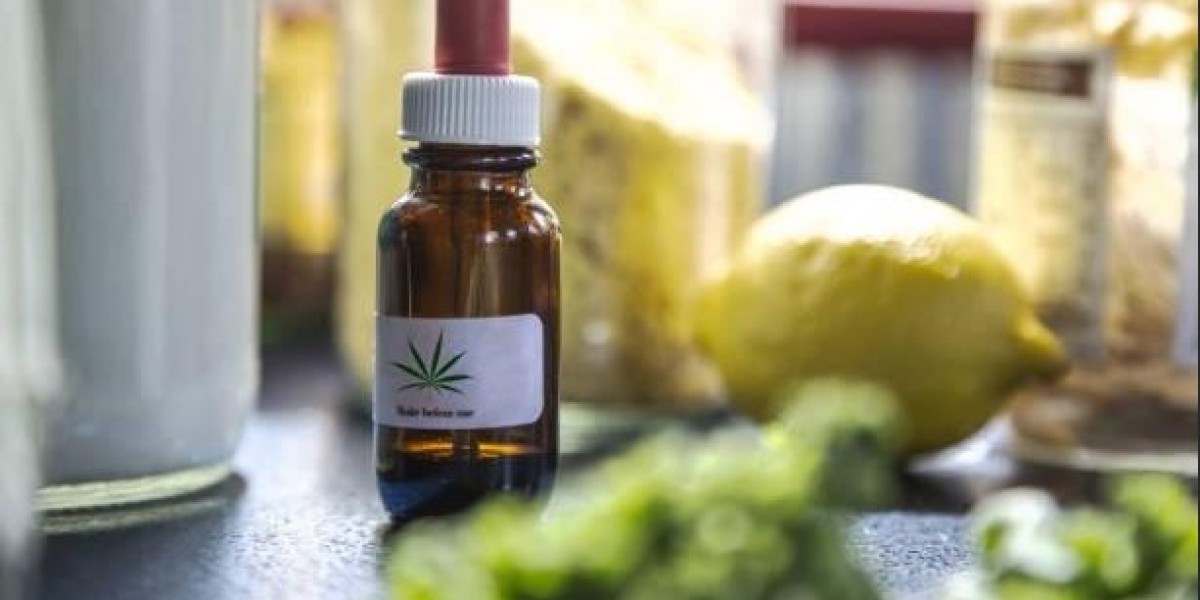

You pick up a bottle of CBD at a wellness shop or while scrolling online. The label looks impressive with all the big terms: THC-free, broad-spectrum, and lab-tested. For a moment, it feels like you’ve found the right one. Then you notice something odd. Almost every bottle says the same.
If you're choosing between a THC-free CBD tincture and broad-spectrum CBD oil, the label only tells a part of the story. The real proof is in the Certificate of Analysis (COA), a 3rd-party lab report that shows exactly what’s inside the oil.
In this blog, you will learn the easiest ways to read a COA and shop smarter when buying CBD.
Key Takeaways
A COA helps confirm whether a product is truly a THC-free CBD tincture or a broad-spectrum CBD oil.
The cannabinoid profile shows if THC is non-detectable and whether other cannabinoids are present.
Potency results in the COA should closely match the CBD amount listed on the bottle.
Safety testing verifies the product is free from contaminants like heavy metals, pesticides, and solvents.
Matching the batch number on the bottle with the COA confirms the lab report belongs to that product.
5 Smart Ways to Verify CBD Quality Using a COA
1. Start by Checking the THC Level
If you are exploring CBD products online, the first place to look on a COA is the cannabinoid profile. This section shows the amount of THC the product contains.
For a THC-free CBD tincture, the report should list 0.00% THC or “ND” (Not Detected), meaning the lab didn’t find measurable THC.
A broad-spectrum CBD oil works a little differently. It keeps several cannabinoids from hemp but removes THC during processing. So, the COA may still list compounds like CBD, CBG, or CBC while showing zero THC.
In short, this section quickly tells you what kind of CBD product you’re actually getting.
2. Confirm the CBD Strength
Next, look at the potency results.
If a bottle says it contains a 1000 mg CBD tincture, the COA should show roughly the same total CBD amount. Natural variation can cause small differences, but the numbers should stay pretty close to what’s printed on the label.
Checking potency becomes even more important when buying high-potency CBD oil, because stronger formulas can change the amount of CBD you get in each serving.
A quick glance at the lab report helps confirm whether the product truly delivers the strength it promises.
3. Review the Safety Testing
One of the most important parts of a COA is the safety testing section. CBD products should always be tested for contaminants that may come from soil, farming practices, or extraction methods. Reliable lab reports usually include results for heavy metals, pesticides, and residual solvents.
Hemp plants naturally absorb compounds from the soil, so testing confirms the oil is free from harmful metals like lead or mercury. Pesticide screening also verifies that the hemp was grown using safe farming practices.
When a product passes these tests, the COA clearly marks the results as “Pass.”
These results help confirm the overall purity of the CBD product and show whether the oil meets basic safety standards before it reaches consumers.
4. Look for Terpene Information
Another section you may see on a COA is the terpene profile. Terpenes are natural aromatic compounds found in hemp. They influence the scent and flavor of CBD products and give oils their distinctive aroma.
A broad-spectrum CBD oil often keeps terpenes like limonene, myrcene, or pinene because they’re part of the plant’s natural profile.
Some highly refined formulas, including certain THC-free CBD tincture products, may contain fewer terpenes depending on how the CBD was processed.
Checking this section helps you see how much of the plant’s natural profile remains. Terpenes are often overlooked, but they can reveal a lot about how the product was extracted.
5. Check the Batch Number
Another small but important detail is the batch number. Every CBD batch should be tested separately, and the number on the bottle should match the one listed on the COA. If the numbers don’t match, the lab report may belong to a different product or batch.
Quick tip: Many brands now add QR codes to packaging that link directly to the correct COA. Before buying any CBD product, take a moment to scan the lab report or QR code. It only takes seconds and can help you spot quality products.
For more information on hemp testing standards, organizations such as the U.S. Hemp Authority provide guidelines for CBD product safety and transparency.
What the COA Reveals When Comparing These Two Products
After reviewing the different sections of a lab report, the final step is understanding how the results confirm the type of CBD product you are buying.
When a product is labeled as a THC-free CBD tincture, the COA should show CBD as the primary cannabinoid and THC listed as ND (Not Detected) or 0.00%. Many of these formulas are made from highly refined CBD, so the report may list very few additional cannabinoids.
A broad-spectrum CBD oil usually shows a slightly wider cannabinoid profile in the COA. The report may list compounds such as CBG, CBC, or CBN, while still showing ND or 0.00% THC. This confirms that the oil keeps several hemp compounds but has had THC removed during processing.
The difference becomes clear when you compare the cannabinoid section of the report. A THC-free tincture often focuses on purified CBD, while a broad-spectrum oil typically shows multiple cannabinoids with THC removed.
Looking at this section of the COA makes it much easier to confirm whether the product truly matches the claim printed on the label.
Conclusion
Reading a COA might feel like an extra step, but it is one of the easiest ways to understand what you are actually buying. A lab report shows the cannabinoid profile, THC results, and safety testing that the front label cannot fully explain.
When comparing THC-free CBD tincture and broad-spectrum CBD oil, the COA helps confirm whether the product truly matches the claim on the bottle. THC-free products should show non-detectable THC, while broad-spectrum formulas should list multiple cannabinoids with THC removed.
Most brands now provide quick access to their lab reports through QR codes or website links. Taking a moment to scan and review the COA can help you verify the product’s contents before making a purchase.
FAQs
Can a THC-free CBD tincture contain other hemp compounds?
Yes. Some formulas remove THC while keeping other cannabinoids such as CBG or CBC. The COA will show exactly which compounds are present.
Is broad-spectrum CBD oil the same as full-spectrum CBD?
No. Broad-spectrum CBD oil contains multiple cannabinoids but removes THC. Full-spectrum CBD typically includes trace amounts of THC along with other hemp compounds.
How often should CBD products be tested in a lab?
Ideally, every production batch should be tested. This ensures the potency, purity, and safety results match the specific batch of CBD being sold.