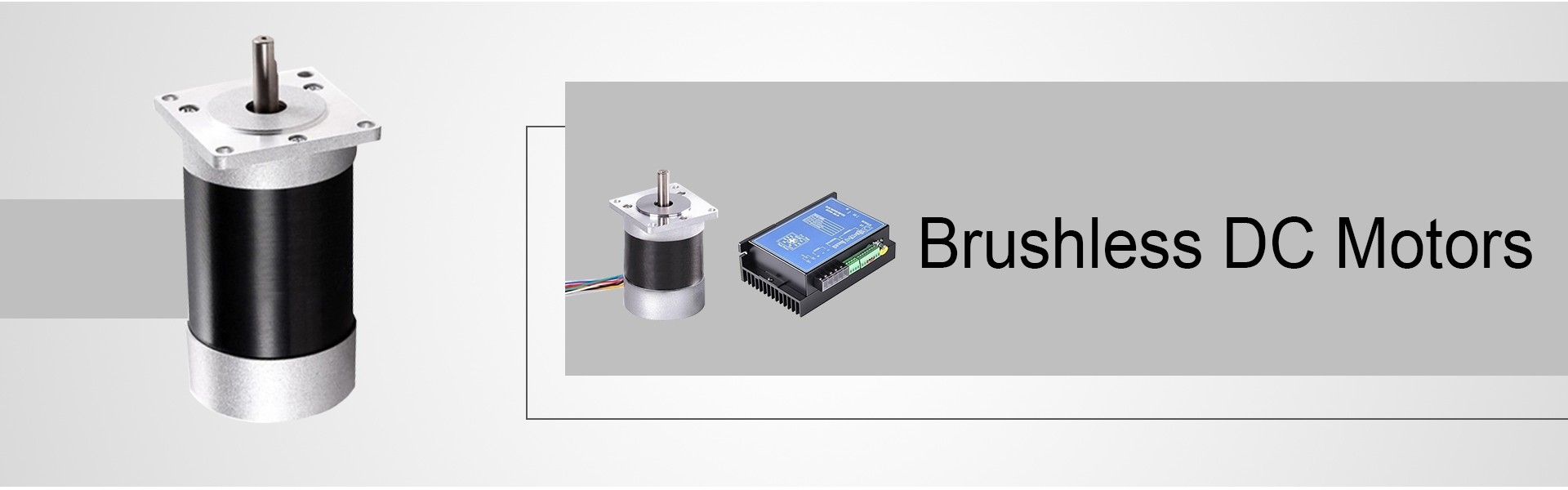
A brushless DC motor can be an effective choice when a machine requires efficient rotary motion, controlled speed, and long operating life. BLDC motors use electronic switching to control the motor instead of mechanical brushes, reducing brush-related wear and making them suitable for equipment that operates frequently. Their broad range of available configurations also allows brushless motors to serve different electrical, mechanical, and application requirements.
The electrical specification should begin with the available power system and the required motor output. Common BLDC motor voltage options include 12V, 24V, 36V, 48V, 72V, and 96V, with the appropriate choice depending on the equipment's power architecture. Engineers should also calculate continuous and peak torque, operating RPM, acceleration requirements, and current demand. The controller must be capable of supporting these requirements without creating an electrical limitation.
Mechanical selection is just as important. NEMA frame sizes provide different mounting and physical options, while shaft dimensions, motor length, and mounting geometry determine how the motor fits into the machine. For specialized equipment, the choice between outrunner, inrunner, sensored, sensorless, and frameless brushless motor designs can also affect performance and integration.
The same BLDC technology can be applied to many types of equipment. Industrial machines may require continuous torque and reliability, robotics may prioritize controlled movement and compact integration, mobile equipment may focus on voltage and efficiency, and drones or electric vehicles may have different power-density and speed requirements. Waterproof configurations can also be considered when the operating environment exposes the motor to moisture.
For this reason, a brushless DC motor should be evaluated as part of the complete system. Matching voltage, torque, speed, dimensions, motor structure, feedback, environmental conditions, and controller requirements provides a stronger basis for selecting the appropriate motor than relying on a single rating.