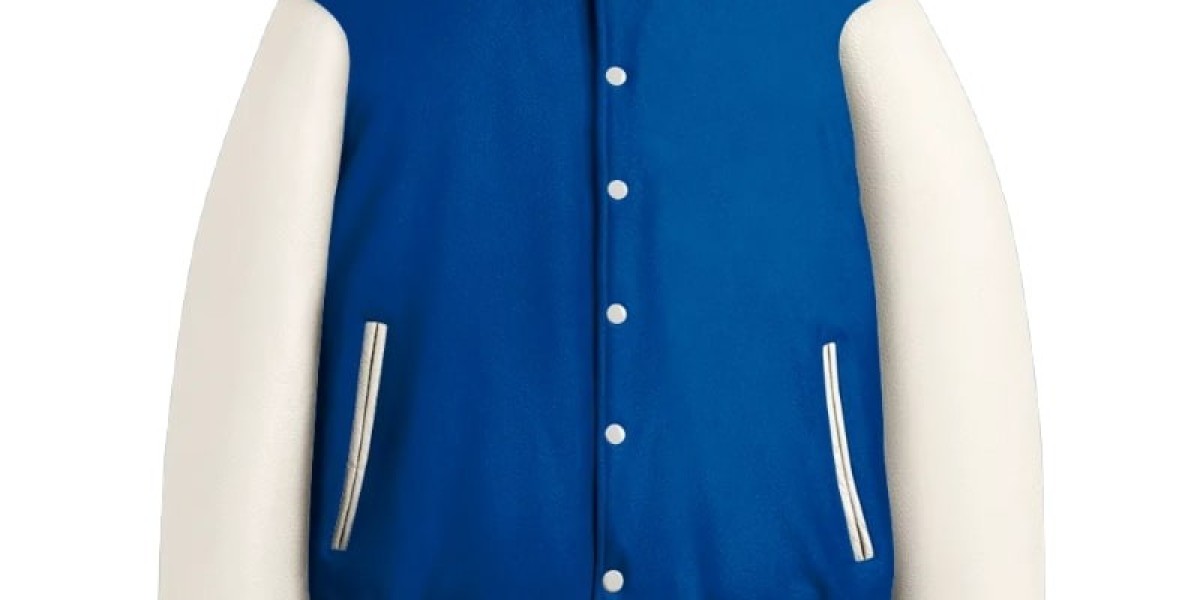

There is something special about the weight of a varsity jacket. When you pick one up, you are not just holding wool and leather. You are holding a collection of memories. While the jacket itself provides the canvas, the real magic lies in the details. Those colorful, fuzzy, and intricately stitched emblems known as patches are what transform a standard piece of outerwear into a personal biography. Every time you walk down the hall and feel that slight stiffness of a new patch on your sleeve, you are reminded of the hours of practice, the late night rehearsals, or the nail biting finish of a championship game.
For decades, these symbols have served as a visual language. They communicate achievement and belonging without needing a single word. In a world where so much of our self expression has moved into the digital space, there is something deeply grounding about a physical object that carries your history on its sleeves. Whether you are currently earning your stripes or you are a collector looking to restore a vintage find, understanding how to curate these pieces is the first step toward creating a legacy you can wear.
The Tradition of Chenille and Felt
If you run your hand over a classic varsity letter, you will notice that unique, carpet like texture. That is chenille. The name comes from the French word for caterpillar, which makes perfect sense given its soft, tufted appearance. This has been the standard for varsity apparel for over a century because it offers a level of depth that flat embroidery just cannot match.
A high quality patch is built on layers. Usually, you have two pieces of heavy felt that act as a border, creating a pop of color that makes the design stand out against the dark wool of the jacket body. When you choose your symbols, you are participating in a tradition that dates back to the Ivy League schools of the 1800s. Even though the styles have evolved, that tactile, fuzzy feel remains the hallmark of an authentic look. It is a material that feels substantial and actually looks better as it picks up a little bit of wear and character over the years.
Mapping Out Your Personal Narrative
Deciding where to place your achievements is an art form in itself. While there are no strict laws written in stone, most people follow a traditional map to keep the jacket looking balanced. If you just throw things on randomly, the jacket can start to look cluttered. When you arrange them with purpose, each accomplishment gets the spotlight it deserves.
The front of the jacket is your prime real estate. Traditionally, the left chest is the home for your main varsity letter. It sits right over your heart, serving as the centerpiece of the entire garment. On the opposite side, the right chest, most people opt for their name in a classic script font. This balance between your school identity and your personal name is what gives the jacket its professional and polished look.
The sleeves act as the timeline of your career. Usually, the right shoulder is reserved for your graduation year. As you earn more specific accolades, like your jersey number, a captain's bar, or a musical note, they stack neatly down the arms. Some people spend a lot of time looking for very specific letterman jacket patches to highlight niche achievements like state titles in debate or lead roles in the school play. The back of the jacket is your billboard. This is usually where the large mascot or the school name lives, anchoring the entire design and making it recognizable from across a parking lot.
Customization in the Modern Era
While the high school experience is the most common reason people wear these, the fashion world has expanded the horizons for customization. You no longer need a coach’s permission to design a jacket that reflects your life. People are now commissioning custom emblems to celebrate their hobbies, their travels, or even their own small businesses.
You might see a jacket today that features travel patches from different national parks or emblems representing a local social club. The goal remains the same: to take a blank canvas and make it uniquely yours. When you are designing a piece from scratch, the selection of your patches becomes a creative exercise. It is about taking a classic American silhouette and injecting it with your own DNA. This shift from strictly athletic to purely personal is why the varsity jacket remains a staple even as other trends fade away.
The Importance of Professional Attachment
Because these jackets are built to last for decades, how you attach your patches is just as important as the designs themselves. You might see iron on options out there, but they are rarely a good idea for heavy wool and leather. The heat required to set the glue can damage the wool fibers, and the adhesive often fails as the jacket flexes and moves over time.
Sewing is the only way to go. A professional tailor can use a zig zag stitch or a tackle twill method to secure the patches permanently. This ensures they will not peel or shift, even after years of use. If your jacket has a high quality lining, a skilled professional can even sew the patches on without going through the inner fabric. This keeps the interior smooth and comfortable against your skin, preventing any rough threads from rubbing against your clothes.
Conclusion
The world of varsity patches is where craftsmanship meets personal history. Whether you are honoring a family legacy or starting a brand new tradition for yourself, the symbols you choose are what give the jacket its soul. By focusing on quality materials and thoughtful placement, you create a garment that is much more than a fashion choice. You create a physical record of your growth and your passions. The next time you see someone wearing a jacket covered in those colorful and fuzzy emblems, take a second to appreciate the story. It is a narrative written one stitch at a time, meant to be worn with pride for a lifetime.
Frequently Asked Questions
Can I move a patch once it has been sewn on?
Yes, but you have to be careful. You can use a seam ripper to cut the threads, but it often leaves tiny needle marks in the wool. Usually, a bit of steam from an iron will help the wool fibers relax and close those holes up. It is always better to get the placement right the first time to avoid any visible scuffs on the fabric.How do I clean a jacket with chenille patches?
Never put a jacket with these patches in a washing machine. The heat and water can ruin the texture of the chenille and cause the leather sleeves to crack. Always take it to a professional dry cleaner who has specific experience with varsity jackets. They know how to treat the different materials without damaging the embroidery.What is the best way to keep my patches looking fresh?
Chenille can sometimes attract lint or become a bit flattened. A soft bristle brush can be used to gently fluff the fibers and remove any surface dust. Just make sure to brush lightly so you do not pull the yarn out of the felt backing.Can I add patches to a jacket years after I graduate?
Absolutely. Many people find old patches in storage or buy vintage ones to add to a new jacket. As long as the wool is in good condition, you can continue to build on the story of your jacket at any age. It is a great way to keep your history alive.Should I choose embroidered or chenille patches?
Chenille is the classic choice for large letters and mascots because of its unique, heavy texture. Embroidery is better for smaller, more intricate details like your name or a specific graduation year. Mixing both types usually gives the jacket the best visual balance and a high end feel.