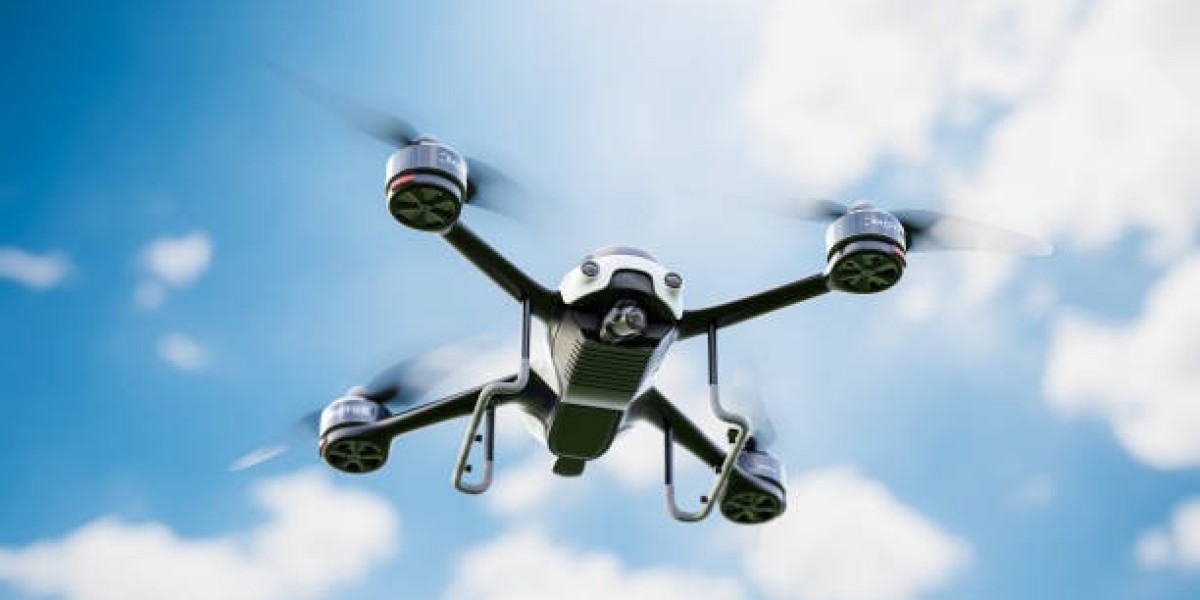

When we look up at the sky today, we are seeing something fundamentally different than what our parents saw. It is not just birds and the occasional airplane anymore. There is a new layer of activity happening just above the treetops. Drone technology has quietly transitioned from being the stuff of science fiction or secretive government projects into tools that we see every day in our parks, on our farms, and over our construction sites. This shift is not just about cool gadgets; it is about a total change in how we view and interact with the physical world around us.
A New Way to See the World
For most of human history, if you wanted to see the ground from a high vantage point, you had to climb something or get inside an expensive, fuel burning aircraft. It was a privilege reserved for the few. Today, that perspective is available to almost anyone. These flying systems have democratized the aerial view. They allow a wedding photographer to capture a stunning sunset over a ceremony or a real estate agent to show the true layout of a property in a way that a ground level photo never could.
But the impact goes much deeper than just pretty pictures. We are using these systems to explore places that are too dangerous or difficult for people to go. Think about the heart of a forest fire or the inside of a damaged nuclear reactor. By sending a compact flying scout, we can gather life saving information without putting a single human life at risk. This ability to see without being physically present is one of the most powerful shifts in modern technology.
Helping the Planet from Above
One of the most heartening developments in this field is how it is being used to protect the environment. Conservationists are now using these systems to track endangered wildlife across vast distances. Instead of trekking through thick brush for days and potentially disturbing the animals, they can fly a silent observer overhead. This allows them to count populations, track migration patterns, and even spot poachers before they can do any harm.
In agriculture, the changes are just as dramatic. Farmers are no longer guessing which parts of their fields need more water or fertilizer. They use these systems to create highly detailed maps that show the health of every single plant. By targeting only the areas that need help, they can reduce the use of chemicals and save water. It is a more precise and gentle way of working with the land, ensuring that we can grow the food we need while keeping the soil and water systems healthy for the future.
The Mechanics of Innovation
The way we think about building and maintaining these tools is also evolving. In the past, manufacturing was a slow and rigid process. You would build a thousand units in a factory and hope they met the needs of the users. Now, we are seeing a move toward more flexible and local production.
Modular drones represent a major part of this evolution, as they allow operators to swap out cameras, sensors, or even entire wing sets to fit a specific mission. This means that a search and rescue team can have a system tailored for mountain operations, while a bridge inspector can have one designed for tight spaces under steel girders. This focus on adaptability is what keeps the field moving so fast. We are no longer limited by what is sitting on a shelf in a warehouse. We are limited only by our ability to design and iterate.
Keeping Our Infrastructure Standing
Think about the massive bridges, towering power lines, and sprawling pipelines that keep our society running. Checking these structures for wear and tear has always been a monumental task. It usually involves heavy machinery, road closures, and people hanging from ropes at dangerous heights.
Now, an inspector can stand safely on the ground and guide a flying sensor along the underside of a bridge or the top of a wind turbine. These systems can get inches away from a bolt or a weld, taking high resolution images that reveal tiny cracks before they become major problems. This makes our infrastructure safer for everyone and saves taxpayers a significant amount of money by catching repairs early.
A Tool for Rescue and Relief
There is perhaps no better use for this technology than in the moments following a natural disaster. When a flood hits or an earthquake levels a city, the first few hours are critical. Traditional search teams often find their paths blocked by debris or rising water. A flying system can clear those hurdles in seconds.
Equipped with thermal cameras, they can find people trapped under rubble or lost in a dark forest by sensing their body heat. They can also be used to deliver small, vital supplies like medicine, radios, or even clean water to people who are cut off from help. In these situations, the ability to move through the air is not just a convenience; it is a lifeline that brings hope to people in their darkest hours.
Safety and the Shared Sky
As these systems become more common, we have to talk about how we share the sky. It is a big space, but it is not infinite. Responsibility is the key to making this work. This means following the rules, staying away from airports, and respecting the privacy of the people on the ground. Most people are happy to see a drone if they know it is being used for a good reason and flown by someone who cares about safety.
It is also about being mindful of our surroundings. Flying over a crowd or near sensitive wildlife requires a level of care and planning. By being good neighbors in the sky, we ensure that technology continues to be seen as a benefit to society rather than a nuisance. As long as we keep safety and respect at the center of how we fly, the future of the sky looks very bright.
Conclusion
We have come a long way from the early days of shaky cameras and short flight times. Drone technology has earned its place as an essential tool for the modern world. It helps us see our planet more clearly, protect our natural resources, maintain our cities, and save lives during emergencies. As we look ahead, we can expect these systems to become even more integrated into our lives, helping us solve problems in ways we haven't even imagined yet. The sky is no longer a limit; it is a new frontier for human ingenuity.
Frequently Asked Questions
What exactly is an unmanned aerial system?
It is a combination of a flying craft, a ground based controller, and the communication system that links them together. While many people just call them drones, the term system refers to the whole package needed to make the flight happen.Are they hard to fly?
Modern systems are remarkably easy to handle. They use GPS and various sensors to stay stable in the air, meaning they can often hover in one spot even if you take your hands off the controls.How far can they fly?
It depends on the model. Some small ones stay within a few hundred feet, while professional systems can fly several miles away as long as the pilot maintains a clear connection and follows local laws.What happens if the battery runs low?
Most units have a built in safety feature called return to home. When the battery gets to a certain level, the system will automatically fly back to where it started and land safely.Do I need a special license?
If you are just flying for fun in your backyard, you usually just need to follow basic safety guidelines. If you are using it for a business, most places require you to pass a basic knowledge test and get a certification.Can they fly in bad weather?
While some high end systems are built to handle rain and wind, most should be kept dry. It is always best to fly on a clear, calm day to keep your equipment safe and get the best results.