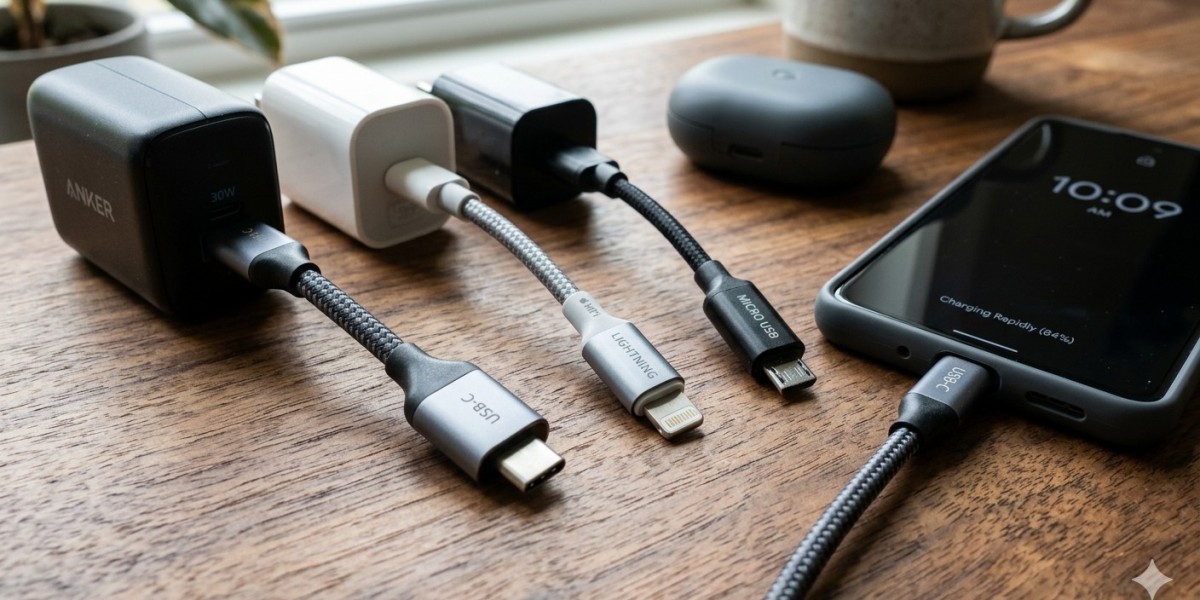

In today’s digital world, smartphones, tablets, and other electronic devices have become an essential part of daily life. Whether for communication, work, entertainment, or navigation, people rely heavily on their devices. However, keeping these devices powered up requires a reliable charging solution. One of the most important yet often overlooked accessories is the charging cable.
Choosing the best charging cable can significantly impact charging speed, device safety, and long-term durability. Many people purchase cheap cables that stop working after a few weeks or even damage their devices. With so many options available in the market, selecting the right cable can be confusing.
Why Choosing the Best Charging Cable Matters
Many users assume that all charging cables perform the same function. However, the quality of a cable can influence several important factors including charging speed, device safety, and overall lifespan.
A high-quality cable ensures:
Faster charging speeds
Stable power delivery
Reduced risk of overheating
Long-lasting durability
On the other hand, low-quality cables may cause slow charging, connection issues, or even permanent damage to your smartphone battery.
Investing in the best charging cable is not just about convenience but also about protecting your valuable devices.
Types of Charging Cables
Before selecting the best option, it is important to understand the different types of charging cables available.
USB Type C Cables
USB Type C cables are currently the most modern and widely used charging cables. Many new smartphones, tablets, and laptops now support USB C technology.
Key advantages include:
Faster data transfer speeds
High power delivery capability
Reversible connector design
Compatibility with modern devices
Because of these benefits, USB C cables are often considered the best charging cable option for newer devices.
Lightning Cables
Lightning cables are designed specifically for Apple devices such as iPhones and iPads. These cables offer fast charging and efficient data transfer when used with compatible adapters.
Features include:
Compact connector design
Reliable performance with Apple devices
Support for fast charging in newer iPhone models
If you use Apple products, a certified Lightning cable is the best option for safe charging.
Micro USB Cables
Micro USB cables were once the standard for Android devices. Although they are slowly being replaced by USB C cables, many older smartphones and accessories still use them.
Advantages include:
Affordable pricing
Wide compatibility with older devices
Availability in many lengths
For older devices, a durable Micro USB cable can still be the best charging cable choice.
Features to Look for in the Best Charging Cable
When buying a charging cable, several features determine its performance and reliability.
Fast Charging Support
Modern smartphones support fast charging technology, but not all cables can handle it. A cable must support high power output to deliver fast charging speeds.
Look for cables that support:
18W fast charging
30W or higher power delivery
Quick Charge compatibility
These cables ensure that your device charges quickly and efficiently.
Strong Build Quality
Durability is one of the most important factors when selecting the best charging cable. Cheap cables often break at the connector or inside the wire after repeated bending.
High-quality cables usually feature:
Reinforced connectors
Nylon braided exteriors
Strong internal wiring
These design features prevent wear and tear and extend the cable’s lifespan.
Cable Length
Charging cables come in various lengths, usually ranging from 0.5 meters to 3 meters.
Common options include:
Short cables for power banks
Standard 1 meter cables for everyday charging
Longer cables for convenience while using devices
Choosing the right length ensures comfortable use without unnecessary clutter.
Data Transfer Capability
Charging cables are not only used for power delivery but also for transferring files between devices. A good cable should support fast and stable data transfer.
Higher-quality cables can provide:
Faster file transfers
Stable connections
Compatibility with computers and laptops
This feature becomes especially important for professionals who frequently transfer data.
Signs of a Low Quality Charging Cable
Not all cables available in the market are reliable. Identifying low-quality cables can help you avoid unnecessary problems.
Common warning signs include:
Extremely low prices
Thin and fragile wires
Loose connectors
Frequent disconnections
Such cables may not only charge slowly but can also pose safety risks such as overheating or electrical damage.
Benefits of Using the Best Charging Cable
Using a high-quality cable offers several advantages that improve the overall user experience.
Faster Charging
Premium cables support advanced charging technologies, allowing devices to charge significantly faster compared to cheap alternatives.
Better Device Protection
Reliable cables regulate power flow more effectively, protecting devices from power fluctuations and overheating.
Long Term Cost Savings
Although premium cables may cost more initially, they last much longer than cheaper options. This reduces the need for frequent replacements.
Improved Performance
A good cable ensures stable charging and data transfer, eliminating interruptions during use.
Tips for Maintaining Your Charging Cable
Even the best charging cable can wear out if not handled properly. Following a few simple practices can extend its lifespan.
Avoid bending the cable sharply near the connectors. This area is most vulnerable to internal damage.
Always unplug the cable by holding the connector instead of pulling the wire.
Store cables properly when not in use to prevent tangling and stress on the wire.
Using cable protectors can also reduce strain on frequently used areas.
How to Choose the Best Charging Cable for Your Device
Selecting the right cable depends on several factors including device compatibility, charging speed requirements, and durability preferences.
Start by checking the charging port of your device. This will determine whether you need a USB C, Lightning, or Micro USB cable.
Next, consider fast charging compatibility. If your phone supports fast charging, choose a cable that supports high power delivery.
Finally, prioritize build quality. Nylon braided cables with reinforced connectors are often the most durable options available.
By considering these factors, you can easily find the best charging cable that meets your needs.
Conclusion
Charging cables may seem like simple accessories, but they play a crucial role in maintaining device performance and safety. With the increasing demand for fast charging and reliable connectivity, choosing the best charging cable has become more important than ever.
A high-quality cable ensures faster charging, better durability, and improved device protection. By understanding cable types, important features, and proper maintenance practices, users can make informed purchasing decisions.
Instead of repeatedly replacing cheap cables, investing in a reliable charging cable is a smart choice that saves time, money, and frustration in the long run.