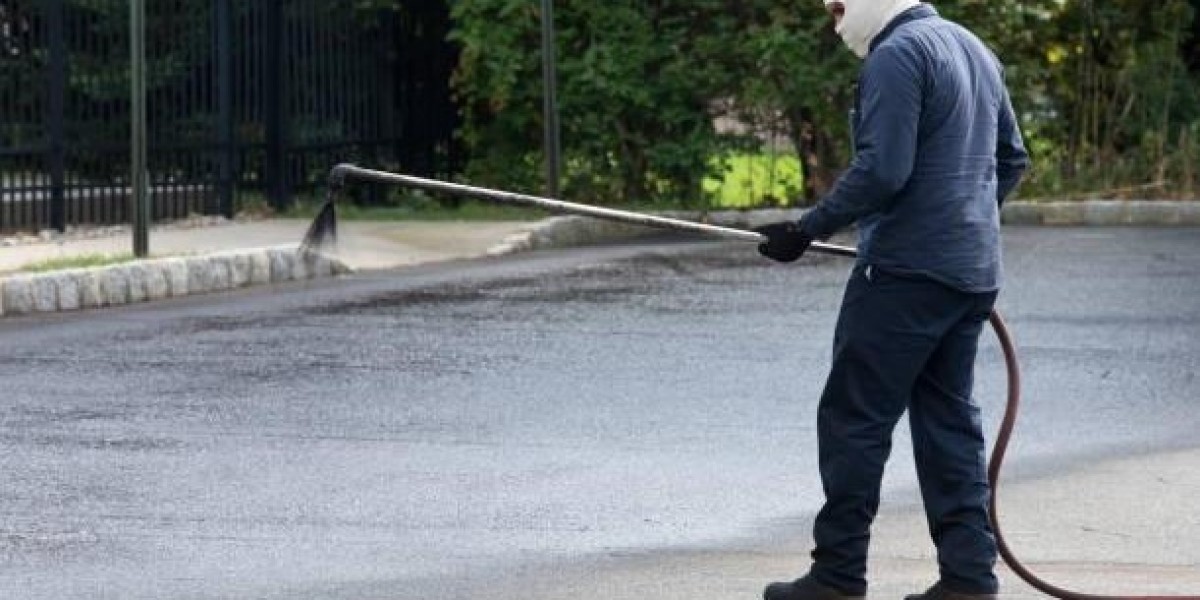

A lot of people think asphalt sealcoating is mainly about appearance. It gives pavement that dark, fresh finish, so it is easy to assume it is mostly cosmetic. In reality, sealcoating is part of a broader pavement preservation strategy.
In fact, this pavement preservation treatment, when applied while pavement is still in satisfactory condition, can slow deterioration, extend service life, and improve functionality in a cost-effective way. How? Let’s take a look at what the data says.
Key Takeaways
Sealcoating is a protective maintenance step, not just a cosmetic finish.
It helps slow oxidation, moisture damage, cracking, and surface wear.
Preventive pavement care costs far less than major repair or replacement.
Research shows sealed surfaces can hold up better over time, even in high-traffic areas.
Sealcoating works best when applied at the right stage before serious damage begins.
What Asphalt Sealcoating Actually Helps Prevent
Asphalt does not fail all at once. It usually breaks down in stages. First, the surface starts to oxidize from sunlight and air exposure. Then it becomes more brittle, which makes it easier for small cracks to form. Once water gets into those cracks, damage spreads faster. Sealcoating helps slow that cycle by protecting the top layer before serious structural problems begin.
That is why pavement professionals often talk about preservation instead of just repair. The goal is to keep good pavement in good condition for as long as possible. FHWA also defines pavement preservation as a long-term, cost-effective strategy that extends pavement life and improves safety.
The Cost Data Behind Preventive Maintenance
One of the strongest real-world arguments for asphalt sealcoating comes from the economics of pavement preservation. According to the U.S. National Park Service, several studies found that every $1 spent on pavement preservation can save between $6 and $10 in future rehabilitation costs. That does not mean sealcoating alone always delivers that exact return by itself, but it does support the broader point that pavement maintenance is far less expensive than waiting until major repairs are needed.
That matters for property owners, facility managers, and commercial sites because pavement replacement is expensive. If a lower-cost surface treatment helps delay overlays or reconstruction, that can mean years of added usable life and major budget savings over time.
What Real Field Research Says
Some of the most useful data comes from long-term field testing, not sales claims. A 2024 report from the National Center for Asphalt Technology and MnROAD followed real pavement preservation sections for years under actual traffic and climate conditions. In the fog seal section of the report, researchers found that although fog seals are generally less durable than heavier preservation treatments, they were still effective at maintaining a sealed pavement surface and delaying distress such as cracking and weathering.
The same report gives a more specific performance detail that is worth noting. In two high-traffic sections, fog seal treatments helped maintain a pavement condition that began in the “fair” range, with cracking initially at 5% to 20%. After six years of service, cracking was still about 11% in both sections. That is not a miracle fix, but it is meaningful evidence that a properly applied asphalt sealcoating can slow visible surface deterioration over time.
Timing Makes a Huge Difference
Another big mistake people make is assuming sealcoating should happen immediately after new asphalt is installed. That is not what the data-backed guidance says. The Asphalt Institute states that a well-designed and constructed low-traffic pavement, such as a driveway or parking lot, should not require sealing for about 2 to 5 years, depending on climate and the quality of the original work.
This point is important because asphalt sealcoating works best as preventive maintenance, not as a rescue treatment for pavement that is already badly damaged. If the surface has major cracking, potholes, base failure, or drainage problems, sealcoating alone will not replace needed asphalt repair. It needs to be used while the pavement is still in reasonably good condition.
Wrap Up
The smartest way to think about asphalt sealcoating is not as a quick visual upgrade but as a long-term preservation tool. It helps slow oxidation, reduce surface wear, and protect the pavement from moisture before major problems begin. The strongest available data does not support exaggerated promises, but it does support a clear and practical message.
If you seal asphalt at the right stage, and combine it with regular maintenance and parking lot striping when needed, you can extend pavement life, improve appearance, and reduce the chance of costly rehabilitation later.
FAQs
How much longer does sealcoating extend asphalt life?
Sealcoating can extend asphalt lifespan by 5–10 years or more when applied regularly as part of a maintenance plan.
How often should asphalt be sealcoated?
Most pavements benefit from sealcoating every 2–4 years, depending on traffic, climate, and surface condition.
Does sealcoating prevent cracks completely?
Sealcoating significantly reduces crack formation but works best when combined with crack sealing and routine maintenance.
When is the best time to apply sealcoating?
Sealcoating should be applied in warm, dry conditions, typically during spring through early fall, for proper curing and maximum durability.