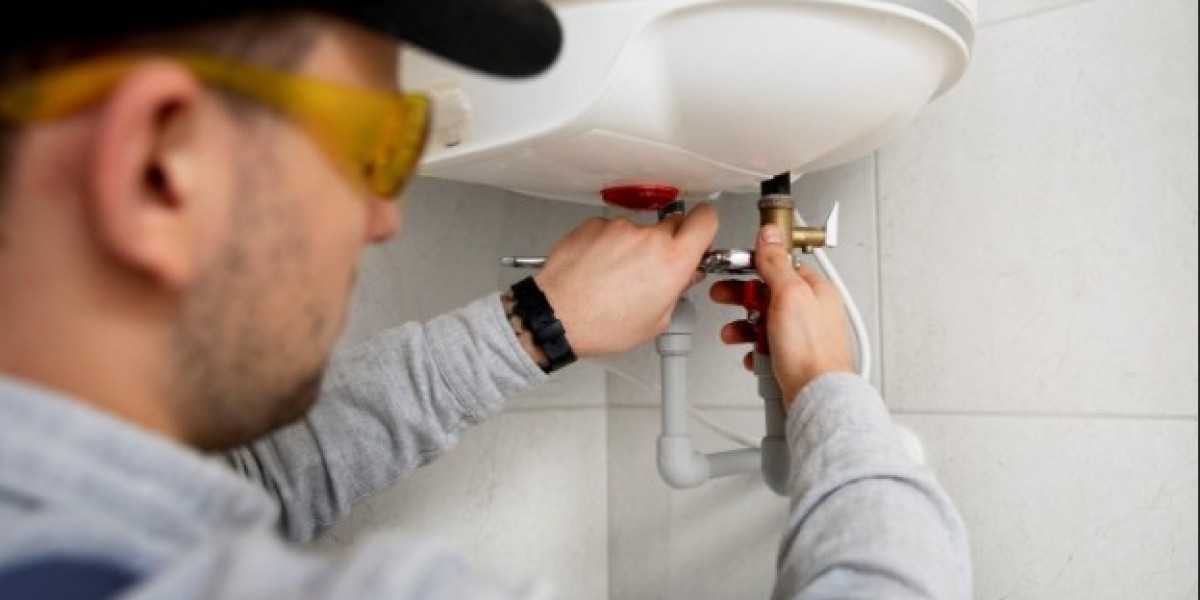

Hot water is one of those daily comforts most homeowners rarely think about until it suddenly disappears. Whether it is a cold shower, inconsistent temperatures, or rising energy bills, problems with an electric water heater can disrupt your routine quickly. The good news is that many major breakdowns can be prevented with routine inspection by professional water heater services.
An electric water heater service checklist helps you understand what should be inspected, tested, and maintained to keep the system running safely and efficiently. By knowing what professionals look for during service, you can catch small issues early, extend the life of your unit, and avoid unexpected repair costs.
Key Takeaways
Regular heater service improves safety, efficiency, and extends the lifespan of your electric water heater.
A complete electric water heater service includes electrical inspection, thermostat calibration, heating element testing, and sediment flushing.
Routine maintenance helps prevent costly hot water repair emergencies by identifying worn components early.
Testing the temperature and pressure relief valve is essential for preventing dangerous pressure buildup.
Inspecting and replacing the anode rod protects the tank from internal corrosion and premature failure.
Leak detection during heater service reduces the risk of structural damage and future plumbing issues.
Proper maintenance can also minimize strain on fixtures and lower the likelihood of needing leaking faucet repair.
Energy efficiency checks and insulation inspections help reduce operating costs over time.
Electric Water Heater Service Checklist for Homeowners
Electrical Connection and Power Supply Inspection
Electric water heaters rely entirely on proper wiring and stable voltage. During heater service, technicians examine:
Circuit breakers
Wiring connections
Signs of overheating or corrosion
Voltage output
Loose connections or electrical faults can cause inconsistent heating or even safety hazards. Addressing electrical issues early prevents larger system damage.
Thermostat Testing and Calibration
Electric units typically have upper and lower thermostats. These control water temperature and activate heating elements. During service, professionals:
Test thermostat accuracy
Confirm temperature settings (usually 120°F for safety and efficiency)
Inspect wiring connections
Improper calibration can lead to scalding water or lukewarm showers. Routine inspections by an electric water heater service ensure precise temperature control.
Heating Element Inspection and Performance Testing
Heating elements convert electrical energy into heat. Over time, mineral buildup and wear reduce their effectiveness. Technicians performing heater service will:
Test element resistance using a multimeter
Inspect for scaling or corrosion
Check for short circuits or grounding issues
Evaluate heating consistency
If one element fails, homeowners may notice limited hot water capacity or inconsistent temperatures. Addressing element problems early prevents sudden hot water repair emergencies.
Sediment Flushing and Internal Tank Cleaning
Sediment buildup is one of the most common causes of reduced efficiency in electric water heaters. Minerals from hard water settle at the bottom of the tank, forming a layer that insulates water from the heating elements. During professional electric water heater service, technicians:
Shut off the power and water supply
Drain the tank completely
Flush out sediment using controlled water flow
Inspect the drain valve functionality
Refill and test the system
If left untreated, sediment can cause rumbling noises, higher energy bills, overheating, and even tank damage. Routine flushing significantly extends equipment life.
Temperature and Pressure Relief Valve Testing
The temperature and pressure relief valve protects the tank from excessive internal pressure. If pressure builds beyond safe limits, this valve releases water to prevent rupture.
As part of heater service, the experts:
Carefully test valve operation
Check discharge pipe alignment
Inspect for corrosion or mineral buildup
Replace faulty valves when necessary
A malfunctioning relief valve is a serious safety concern. Regular testing ensures the system can release pressure safely when needed.
Anode Rod Inspection and Replacement Assessment
The anode rod plays a crucial role in preventing internal corrosion. It attracts corrosive minerals, so the tank walls do not deteriorate. During a complete