
There is a specific rhythm to diablo2 resurrected that modern games rarely replicate. It is the rhythm of familiarity. The sound of a health potion dropping. The chime of a rune hitting the ground. The muscle-memory path from the Waypoint to Mephisto’s chamber, executed for the thousandth time. Blizzard Entertainment’s 2021 remaster of the 2000 classic did not disrupt this rhythm. It amplified it, polishing every surface while leaving the heartbeat intact. The result is a game that feels less like a revival and more like a confirmation: some designs are simply permanent.
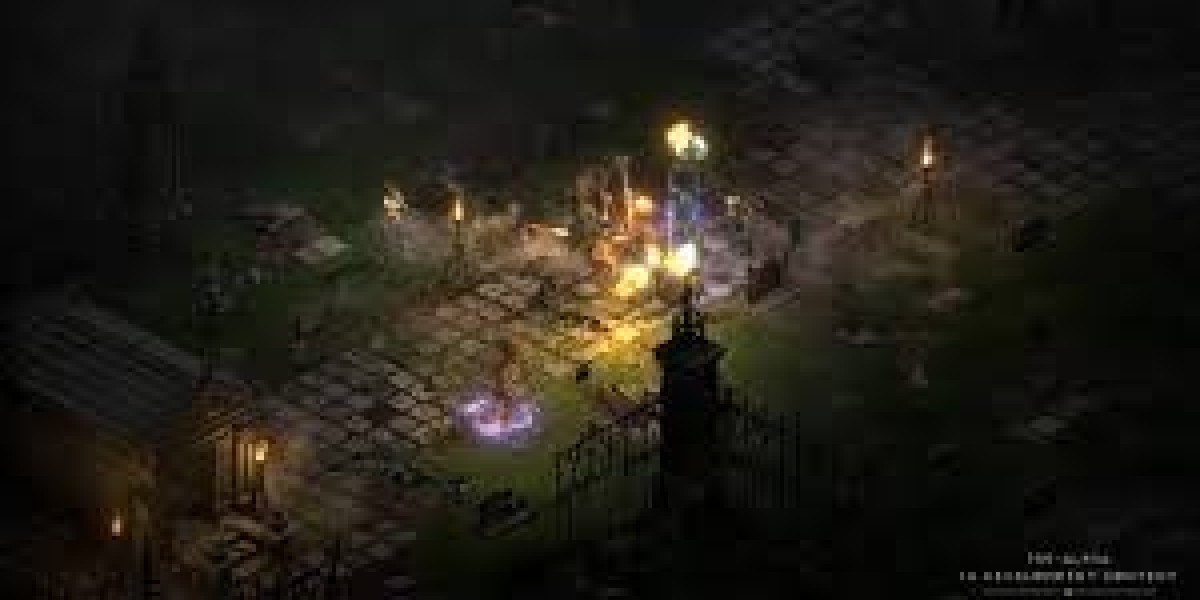
The visual upgrade in Diablo 2: Resurrected is remarkable not for reinvention but for fidelity. The original’s 2D sprites have been replaced with fully modeled 3D assets rendered in up to 4K resolution. Dynamic lighting transforms familiar environments—the blood-soaked Rogue Monastery, the sun-scorched Lut Gholein harbor, the hellscape of the River of Flame—into spaces that feel both new and unmistakably correct. Spell effects such as the sorceress’s Blizzard or the assassin’s Lightning Sentry now carry the weight and clarity players always imagined. The game’s legendary cinematics have been rebuilt from the ground up with modern production values, preserving their narrative power while enhancing their visual scope. Yet through all of this, the game’s gothic art direction remains untouched. Sanctuary looks better than ever, but it is the same Sanctuary.
Beneath this modern surface, Diablo 2: Resurrected preserves the mechanical architecture that defined a genre. Skill trees operate with their original synergies. Breakpoints for faster cast rate, faster hit recovery, and increased attack speed dictate endgame viability exactly as they did two decades ago. The legendary loot system—built around high runes, unique items, set pieces, and the eternal chase for perfect rolls—functions without alteration. Players still cube runes in search of Ber and Jah. They still farm Baal for experience and Treasure Classes. They still theorycraft builds around niche items and obscure breakpoints. This preservation is not laziness. It is recognition that Diablo 2’s systems achieved a balance and depth that subsequent games have rarely matched.
Quality-of-life additions are thoughtful but restrained. A shared stash eliminates the tedious muling of the original. Auto-gold pickup removes a persistent friction point. Controller support enables couch play, and cross-progression allows characters to move between PC and console seamlessly. These changes reduce friction without diluting the core experience. There are no new classes, no rebalanced skills, no attempts to inject modern monetization or live-service structures. The game remains what it always was: a pure, unforgiving, deeply rewarding loot-driven action RPG.
The community sustains Diablo 2: Resurrected in ways that no developer could engineer. Ladder resets remain communal events, drawing veterans and newcomers alike into the shared race to level 99. Trading channels operate on barter and reputation, with high runes serving as currency in an economy governed by player knowledge. Hardcore mode transforms the familiar grind into something genuinely precarious, where a single death means permanent loss and every encounter carries weight. This ecosystem of cooperation, competition, and shared expertise has outlasted countless imitators.
Diablo 2: Resurrected is not a reinvention. It is a restoration. In an industry that often mistakes novelty for progress, it stands as a reminder that some circles do not need breaking. They only need to be run again.